
An APK is the installation file Android uses to place an app on your phone, and the 1xBet APK is simply the bookmaker's Android application delivered in that format rather than through a store listing on Android. It matters because grabbing the wrong file, or installing it carelessly, is how people end up with broken apps, fake copies, or accounts they can no longer trust. This guide walks through the safe route: what the file is, how to download and install it properly, the errors that tend to appear, and what to do when installation is not an option at all.
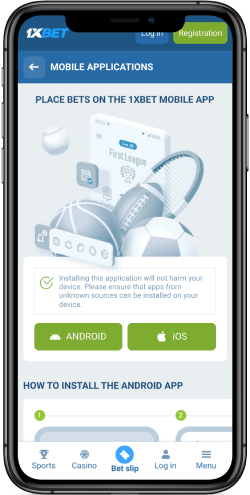
What the 1xBet APK Actually Is
When you install an app from a store, your phone quietly downloads an APK in the background and handles everything for you. Getting the 1xBet app directly means you take on that job yourself: you fetch the file, you grant the permission, you run the installer. The result is the same application, but the responsibility shifts to you.
That trade-off is why the file exists at all. Betting apps face distribution restrictions in many places, so operators offer their Android app as a direct download instead. The APK you receive contains the full sportsbook and casino client, packaged for manual installation.
The important consequence: the safety of the whole process depends on where the file came from. A genuine APK from the operator's own source behaves exactly like a store install. A repackaged file from a random mirror can carry anything.
Getting the File and Installing It Safely
The safe path has three stages, and each one has a single job.
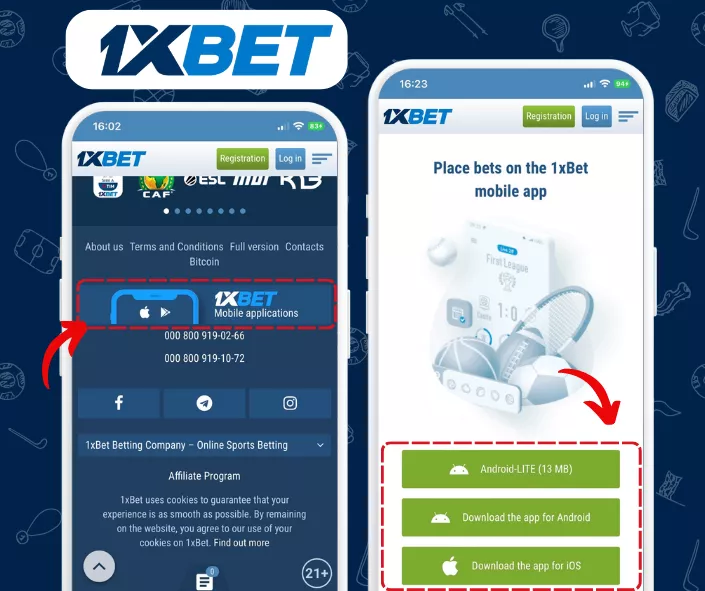
- Find the genuine download source. Open the operator's mobile site in your browser and look for the Android app section, which links to the current APK. A page dedicated to the 1xBet app, such as 1xbet bet app download latest version, is the kind of starting point that keeps you away from third-party mirrors.
- Download the APK itself. A 1xBet download page like 1xbet bet app apk free download typically serves the file directly to your phone's storage.
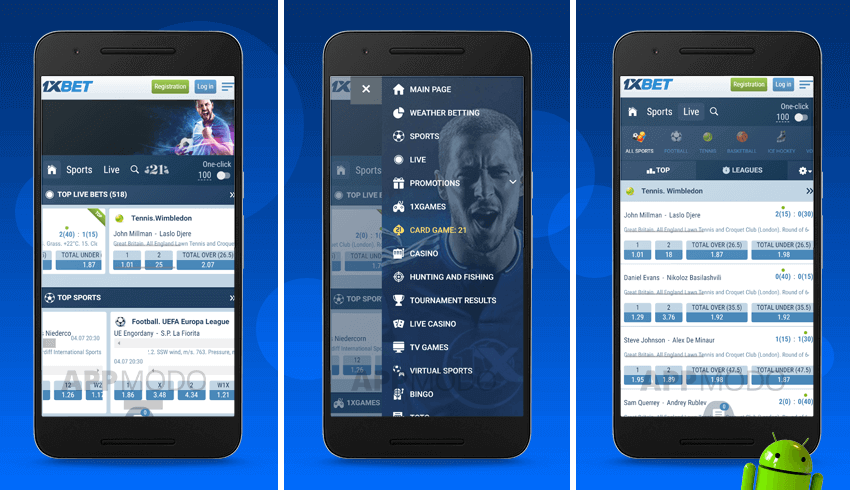
- Install it. Tap the finished download, and Android will ask you to allow installs from that source before proceeding.
Two habits make this routine genuinely safe rather than just convenient:
- Check the site's address carefully before downloading anything — look for the correct domain spelling and a secure connection.
- Once the app is installed, go back into your settings and switch the unknown-sources permission off again.

The Unknown-Sources Permission, Explained Properly
Modern Android does not have one global switch for outside installs. Instead, it asks you to approve each source individually — your browser, your file manager, whatever app is launching the APK. When you tap the downloaded file, a prompt appears offering to take you to that setting for the specific app involved.
This design is actually helpful. It means you can grant the permission to your browser for the five minutes the installation takes, then revoke it immediately afterwards in the same settings screen. Nothing else on the phone changes, and no other app gains new abilities.
If the prompt never appears and the file simply refuses to open, the cause is usually one of these:
- The download did not complete, so the file is truncated.
- The file was saved somewhere your file manager cannot reach.
- An older security app is blocking the install silently.
When the Installation Goes Wrong
Most failed installs fall into a handful of patterns, and each has a straightforward fix.
"App not installed" with no further detail. This generic message usually means a conflict with something already on the phone. Remove any older copy of the app first, restart the device, and try again with a freshly downloaded file.
A parsing or package error. The file is damaged or incomplete. Delete it, clear your browser's download history, and fetch a new copy over a stable connection. Interrupted downloads are the classic cause.
Not enough storage. The installer needs room for the file itself plus the unpacked app. Free up space and retry.
The install succeeds but the app will not open. Clear the app's cache from your application settings, then relaunch. If that fails, reinstall from scratch.
| Symptom | Likely cause | Fix |
|---|---|---|
| App not installed | Conflicting older version | Uninstall old copy, retry |
| Parse error | Corrupted download | Delete and re-download |
| Install blocked | Permission not granted | Allow source in settings |
| Crashes on launch | Bad cached data | Clear cache or reinstall |
Keeping the App Updated
A manually installed app does not update itself through a store, so staying current is your job. The app will typically notify you when a newer release exists and point you towards the download.
Updating works like installing: download the newer APK and run it over the existing app. Your credentials and settings normally survive, because Android handles it as the same application. One caveat matters here — updates only install cleanly when they are signed with the same certificate as the version already on your phone. Files from unofficial sources are sometimes signed differently, and Android will refuse them outright. That refusal is a warning sign worth heeding, not a problem to work around.
If you ever uninstall the app to start fresh, remember that locally stored data may go with it, so make sure you know your account credentials before removing anything.
What You Get Once It Is Running
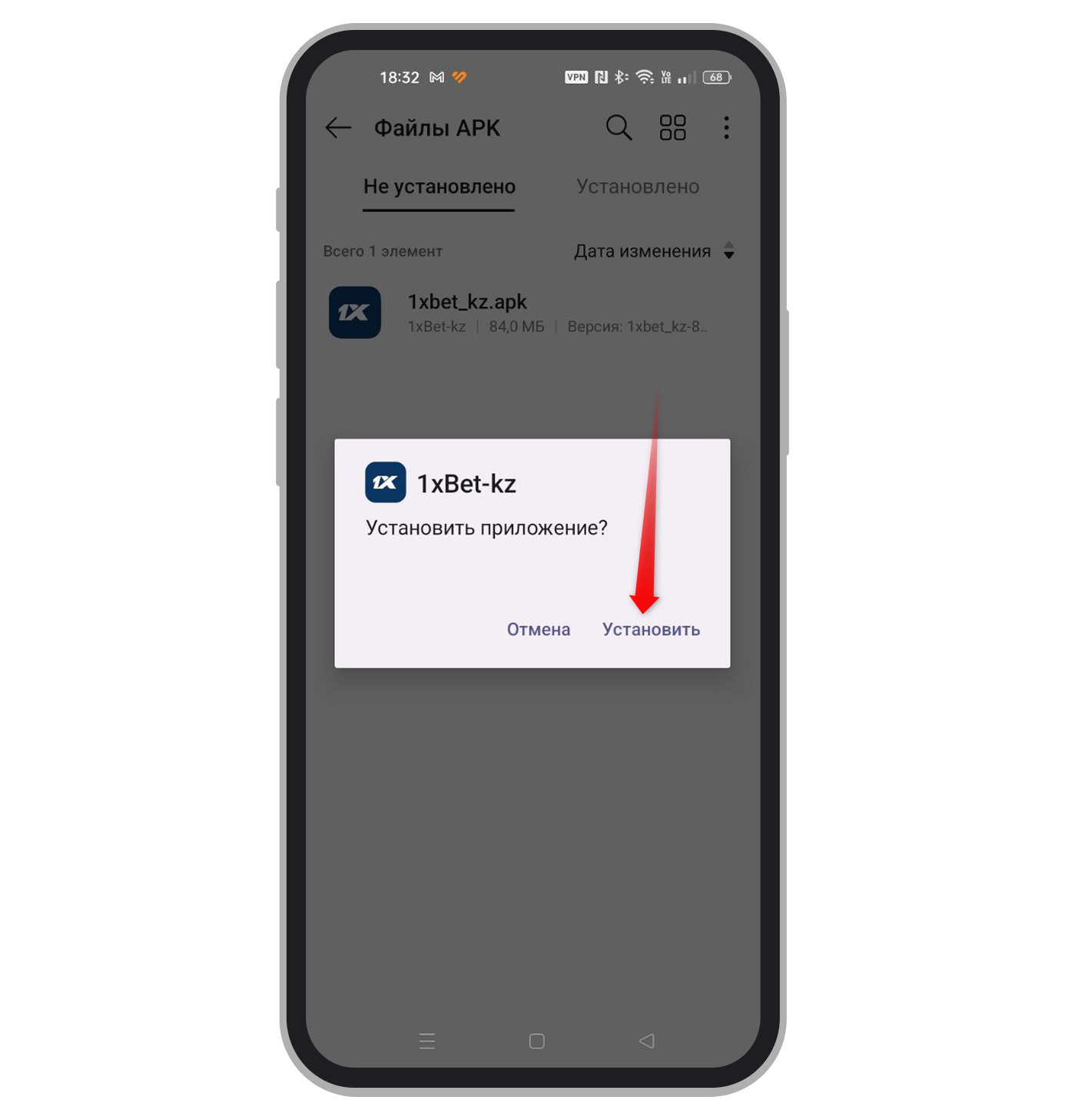
The installed app mirrors the full platform rather than a cut-down version of it. Exact layouts and availability vary by region and release, but the core areas are consistent:
- Pre-match sports betting across the full book, with the same markets and odds as the desktop site.
- Live betting with updating odds and, where offered, streaming or match trackers on your device.
- Casino sections covering slots, table games and live dealer rooms on your device.
- Account tools: deposits, withdrawals, verification documents, betting history and bonus tracking.
- Notifications for settled bets, promotions and live match events you follow.
The practical advantage over the browser version is speed and persistence — you stay logged in, pages load faster, and live betting feels considerably smoother.
No Install? The Mobile Site Still Works
Sometimes installation is not possible or not worth the trouble: a work phone you cannot modify, a device short on storage, or simply a preference for keeping betting in the browser. The mobile website covers essentially the same ground — sportsbook, live betting, casino, payments and account management all run in the browser without any download.
You lose a few conveniences: push notifications, the slightly faster navigation, and the permanent login. You gain zero installation risk and zero storage use. For occasional bettors, that trade often makes sense; for anyone betting live regularly, the app earns its place.
Either way, the account is the same, so you can move between app and browser freely.
FAQ
What makes the 1xBet APK still safe to install?
The file itself is safe when it comes from the operator's own source. The risk lies in lookalike files on third-party sites, so verify the address before downloading and revoke the install permission afterwards.
Why does my phone block the installation without Google Play?
Android blocks installs from outside stores by default. You need to grant the unknown-sources permission to the app handling the file — usually your browser — through the prompt that appears when you tap the APK.
What should I do if I see "app not installed"?
Remove any existing copy of the app, restart the phone, and install again using a freshly downloaded file. The message usually signals a version conflict or a damaged download.
Will updating the APK delete my account or settings on an older phone?
Normally no — an update signed with the same certificate installs over the existing app and keeps your login. Updates from mismatched sources fail to install at all, which is Android protecting you.
Can I still use 1xBet without installing anything?
Yes. The mobile website offers the same betting, casino and account features through your browser, with no download, no permissions and no storage cost.